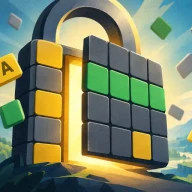
Wordlock
gamefinity.io · Words
Uses the same green and gold letter feedback on five-letter words, but it is unlimited rather than daily: there is no cap on guesses, and each word you solve buys more time on a running clock.
Unlimited playPlay ↗
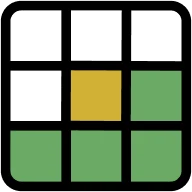
Wordle, published by The New York Times since 2022, gives everyone the same five-letter word each day and six guesses to find it. After each guess, a tile turns green when its letter sits in the correct position, yellow when the letter belongs somewhere else and gray when it is absent. The pleasure is in the narrowing, as a few well-chosen words turn an empty board into a single answer.
Every game here keeps that loop of guessing, reading the colors and refining, then changes one part of it: how many boards you play at once, whether the feedback can be trusted, how long the answer is or what shape the grid takes. The closest cousins are listed first and the loosest variations last.
Uses the same green and gold letter feedback on five-letter words, but it is unlimited rather than daily: there is no cap on guesses, and each word you solve buys more time on a running clock.
Two hidden words share every guess you type, so each attempt does double duty; seven rows to clear both boards make it the gentlest step up from a single Wordle.
Four boards at once and nine rows to finish them, which rewards openers that test many common letters; its extra modes rework the rules once the daily set is done.
Eight secret words and thirteen rows push the Wordle idea toward bookkeeping, since a guess aimed at one board still has to earn its keep on the other seven.
Two answers hide behind one set of tiles and share no letters, so each colored square might belong to either word, and sorting out which is the real puzzle.
Plays like Wordle except that the game tells one lie in each row of colors it returns, which turns each guess into a small logic problem about which color to distrust.
Drops the five-letter rule: the secret word can be any length, so your opening guesses have to probe both the letters and how long the answer might be.
Trades the single word for a short phrase, with an extra purple color for a letter that is in the answer but in another of its words, so spacing becomes part of the deduction.
Every guess helps fill a five-by-five square where all rows and columns must be words, so the familiar feedback-driven guessing works across ten answers at once.
Starts with every letter already on the board in the wrong places; green and yellow still guide you, but the task is swapping tiles into six words rather than typing new guesses.
Turns the goal upside down: you try to avoid the answer for as long as possible while the game forces you to keep reusing every letter it has already flagged.
Also a five-letter hunt, but the clue is alphabetical order rather than colored letters, and each guess shrinks the stretch of the dictionary where the answer can sit.
Keeps the colored feedback but puts the letters on six spinning dials, and you get only five tries to check whether your setting spells the six-letter answer.
The Wordle format of six rows and colored letters with one change: every answer comes from astronomy, which helps space fans and stumps everyone else.
The New York Times releases a new Wordle at midnight in your local time zone, and everyone on a given calendar date gets the same word. The game is free to play in a browser or in the NYT Games app, and signing in with a free account keeps your streak and statistics across devices.
The main game serves one puzzle per day. For more, pick something without a daily cap: Wordlock, at the top of this list, keeps handing out new five-letter words for as long as your clock lasts, while Dordle, Quordle and Octordle each pack several Wordle boards into one daily session.
Hard Mode, switched on in Wordle's settings, requires every later guess to use the hints you have already earned: green letters must stay in place and yellow letters must appear somewhere in the word. It removes the option of a throwaway guess full of fresh letters, which is why players who like it often enjoy Fibble or Xordle, where reading the clues carefully matters even more.