Higher or lower games show you two things, or one figure after another, and ask which is bigger, or which came first. Loomlarge sets ten pairs of real objects a day, Country Scales ten pairs of countries by population or area, and Higher Lower a chain of figures where each next one is called above or below the last.
Which higher or lower games are about prices?
Pricier asks ten higher or lower calls on old prices, each turned into today’s dollars, and Stakes adds a wager: you pick the bigger, faster or older of ten pairs and bet part of a 100-coin purse on each call.
Which higher or lower games use real sizes?
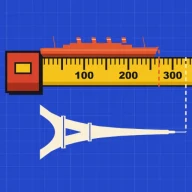
Loomlarge compares two real things at a time, from coins to mountains, and draws both at true scale after each call. Perimetle compares shapes instead, asking which of two has the longer outline, over seven rounds.
Every game here comes down to one comparison. Two things sit side by side, or a figure is on screen with the next one hidden, and you say which one is bigger, higher or older. Nothing is typed and nobody expects you to know the exact number; what counts is a feel for scale, whether that is the height of a tower, the population of a country, the price of a gadget in another decade or the year a brand was founded.
The sections follow the shape of the call. The first holds pairs, a fresh two each round, where a miss costs only that pair. The second is the classic chain, in which each revealed figure becomes the one to beat and a wrong call can end the run. Then come the games about time, where the question is which came first, and last the head-to-head matchups, from census figures and crowd votes to a measure the game keeps secret until the end.
Each of the ten daily pairs sets two real things against each other, a dinosaur and a bus, say, or an ocean liner and a bridge, with ten seconds to pick the bigger, taller or longer. Both are then drawn to true scale on one measuring tape, and a miss never ends the day.
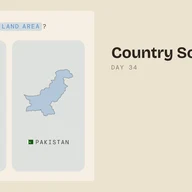
Ten pairs of countries and a single tap for each: the one with more people or more land, whichever the pair asks. Margins shrink as the ten legs go on, the figures come from the World Bank and the CIA World Factbook, and past days stay playable.
Population, and only in the United States: five pairs of American places a day, drawn from all 50 states, and the call is which one has more residents. Unlimited matchups carry on once the daily five are done.
A higher or lower game with a wager: you start with 100 coins, and for each of ten pairs of famous things you pick the bigger, faster or older one and bet any part of the purse. A right call doubles the stake; go broke and the day is over.
Every pair comes from one past day: two Wikipedia articles, or an article against a daily count such as births or flights, and you tap whichever number was bigger. Both figures are then shown, along with ninety days of readers behind each article.
The plainest version: two names under one shared measure, Google searches among them, and a single tap for the one with the bigger number. Several categories are on offer, no account is needed, and signing in adds stats and custom games.
Geometry in place of trivia: seven rounds a day, each a pair of shapes, and you pick the one with the longer outline. The larger shape does not always win, and the difference narrows from round to round.
Two viral videos and one question: which has more views. The daily challenge is the same set for every player, and an infinite mode with a leaderboard for each category runs beside it.
The classic chain on a daily theme, ship length on November 9: the current item shows its figure, the next is hidden, and you press Higher or Lower. One wrong call ends the run, and each player gets one go a day.
Twenty-five quick calls in five rounds of five, each round on its own measure: film ratings on IMDb, Google search volume, Spotify listeners or country populations, with the day scored out of 25.
Fifteen calls a day on one statistic, such as population, each asking whether the next country sits above or below the last. Three lives cover the slips, and a third miss finishes the run.
Old price tags, each turned into today’s dollars: a gadget from one decade against a ticket from another, one figure shown and the next hidden, and you call higher or lower. Ten calls make the shared daily chain, and an unlimited streak mode runs beside it.
Car specs in a ten-round chain: the next car is higher or lower than the current one on a real figure, which might be horsepower, torque, curb weight, top speed or the 0 to 62 mph time.
A periodic-table hunt: swipe each element card right if it sits above the hidden element’s atomic number, left if below, or up to name it. Every right call narrows the live range on a table under the deck, and fewer mistakes is the aim.
Two films side by side, one Letterboxd rating showing and the other hidden: call whether the hidden one is higher or lower. The daily challenge is ten films shared by all players, new at local midnight, and freeplay goes on for as long as your streak lasts.
Basketball by the numbers: three daily NBA games on all-time career stats, an over-or-under call, a clash between two careers and a target figure to hit, running from easy to hard.
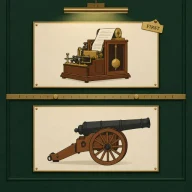
Twelve pairs a day, a gadget against a war, say, or a fast-food chain against a musical, and a short clock while you tap the older one. Both dates and the gap in years follow, with a note on why the pair catches people out.
Three pairs of events a day, often from different eras or fields, with no dates shown until you tap the one that happened first. Each answer reveals both dates and the share of players who got it right, and an archive keeps the earlier pairs.
One event at a time, held against a year on screen, and you decide whether it happened before or after. Marathon modes and special runs continue past the daily challenge, and an app version is offered as well.
Kavi Gupta and Luke Brody · urbanstats.org · Geography
Two places and a census-style figure, such as the poverty rate or the share of graduates: tap the one that ranks higher. Five questions a day, each harder than the last, from county against county to TV market against TV market.
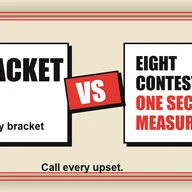
Eight contestants, stars or countries, say, ranked on a measure kept secret: call the winner of all seven matchups through to the final, ten seconds each. Every loser’s figure is shown as a clue, and the measure itself comes out at the end.
Food against food: two priced plates, and the right pick is the one voters rated the better scran, a vote the site says comes from social media and other players. A new pair follows each call, and a random mode plays on after the daily.